Tucson International Airport
The airport is a major orientation point for jobs in the 85706 ZIP code and the neighborhoods west of Southeast Tucson. It helps us route crews around traffic and airport construction.
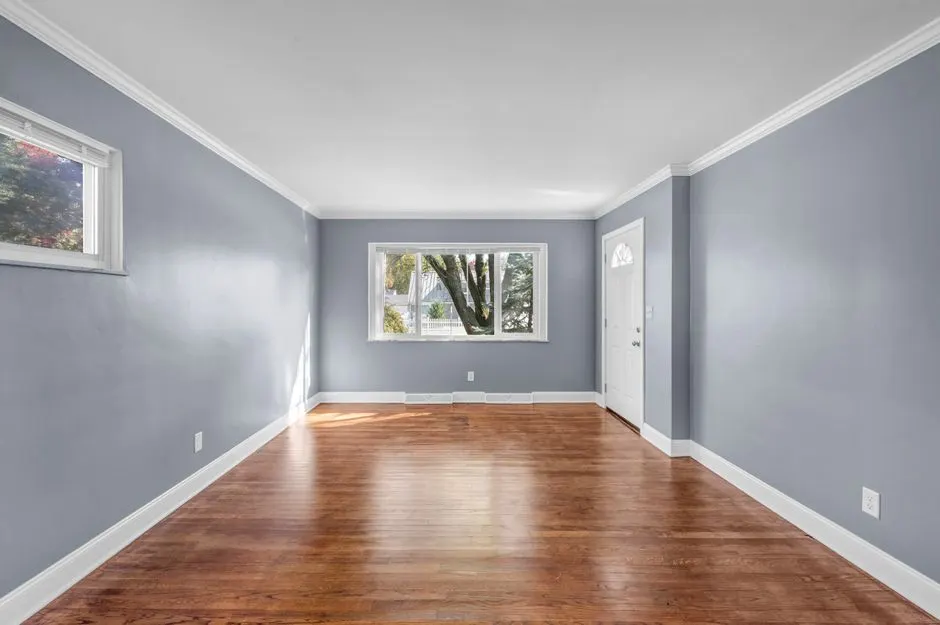
Mold Restoration Specialist LLC has been performing Mold Remediation in Southeast Tucson since 2018, and we have learned that this side of town has its own set of moisture problems. The housing stock around Rita Ranch and Vail includes a lot of older homes with swamp coolers, and those units are notorious for growing mold on pads and in ductwork when they sit wet through the monsoon. Newer construction near Harrison Hills and Palo Verde brings its own issues: tight building envelopes that trap humidity and slab leaks that show up as musty odors before they show up as water stains. We run moisture meters and thermal imaging cameras on every inspection so we can show you exactly where the water is coming from. Our crews are IICRC Certified and carry Arizona Registrar of Contractors licensing, and we follow OSHA Compliance on every containment job. When you search for Southeast Tucson Mold Remediation AZ, you are looking for a company that knows the difference between a swamp cooler problem and a roof leak problem. We do.
We offer the full range of mold services in Southeast Tucson, from a two-hour inspection to a full containment and removal job. The most common call we get is for affordable Mold Remediation in Southeast Tucson AZ after a monsoon leak or a swamp cooler failure. We also handle pre-purchase inspections for buyers in Rita Ranch and Vail who want to know what they are getting into before closing. Every job starts with a moisture meter and a boroscope inspection camera, because guessing is how mold comes back.

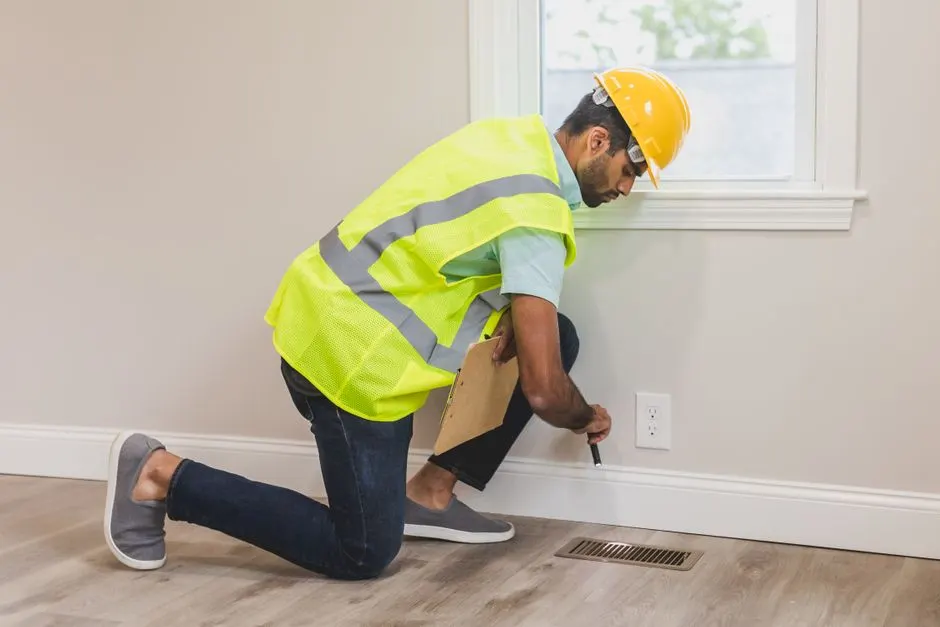

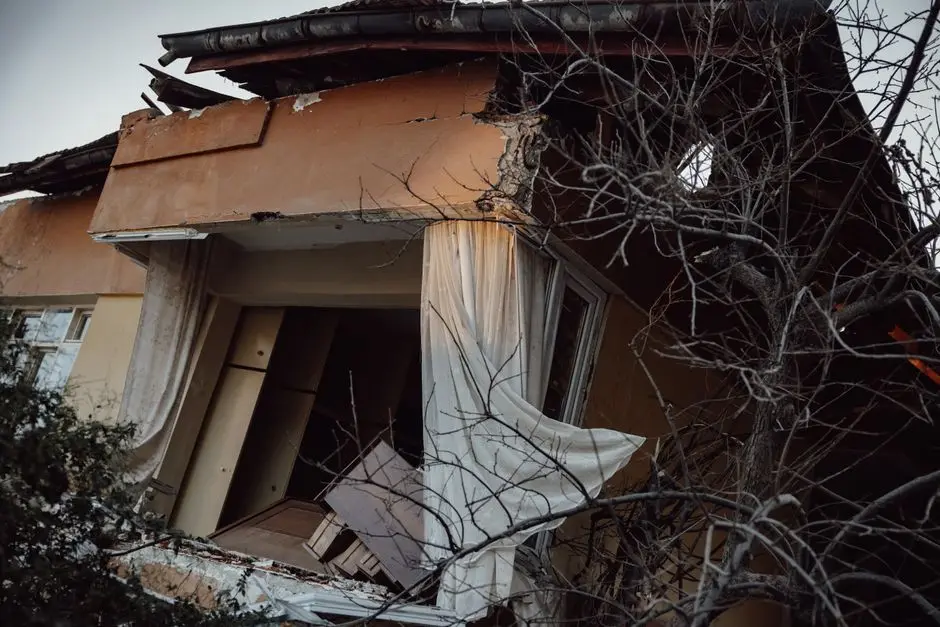


Southeast Tucson has a specific set of conditions that lead to mold: monsoon flooding, older housing stock with swamp coolers, and rapid new construction. These factors create predictable problems. Knowing what they are helps you catch them early.
Swamp coolers pull in dust and moisture, and the pads stay wet for months. Mold grows on the pads and in the ductwork. Older homes in Harrison Hills and Country Club Park often have original units that have never been cleaned.
Monsoon storms drive rain sideways into window and door seals. If the flashing is old or damaged, water gets behind the drywall. Vail and Rita Ranch get more rain than central Tucson, so this is common there.
Slab leaks in Southeast Tucson ranch homes can soak the carpet and pad for weeks before you notice. The mold grows along the baseboards and under the carpet. It is often hidden until you pull up the flooring.
Roof leaks around vent boots and flashing let water into the attic. The insulation gets wet and stays wet, and mold grows on the roof deck and framing. This is common in older homes with original roofs.
Mold does not always announce itself with a big black patch. In Southeast Tucson, it often starts in the attic, the crawl space, or behind a wall after a monsoon leak. If you notice any of these signs, call us for an inspection. The earlier we catch it, the less it costs to fix.
Musty odor in a room with no visible mold
A musty smell usually means mold is growing somewhere you cannot see, like inside a wall cavity or under carpet. In Southeast Tucson, this is often a swamp cooler pan leak or a slab leak. Do not ignore it.
Water stains on ceiling or walls
Water stains are the most obvious sign of a leak, but they also mean mold is likely growing on the back side of the drywall. Monsoon storms and roof leaks are common causes. We can check the moisture content and tell you if the drywall needs to come out.
Peeling paint or bubbling drywall
Paint that peels or bubbles is a sign of moisture behind the surface. In Southeast Tucson, this often happens around windows after wind-driven rain or near the ceiling below a swamp cooler. It is a sign that the drywall is wet and mold is likely present.
Visible black mold growth on drywall or tile
Black mold growth is a sign that moisture has been present for a while. It can be dangerous, especially for people with allergies or respiratory issues. Do not try to clean it with bleach. Call us for a proper removal.
Increased allergies or respiratory issues indoors
If your allergies act up only when you are home, mold spores may be circulating in your air. This is common in homes with AC mildew or attic mold. An air sample can tell you if mold is present.
We use Southeast Tucson landmarks to orient our crews and plan routes, especially during monsoon season when some roads flood. Tucson International Airport is a major reference point for the western edge of our service area. Pima Air & Space Museum and Davis-Monthan Air Force Base help us locate jobs in the neighborhoods south and east of the city. Rita Ranch Marketplace is a common meeting point for customers in the southeast valley. Saguaro National Park East marks the eastern boundary of our coverage. When you call, we can usually tell you which crew is closest based on these landmarks.
The airport is a major orientation point for jobs in the 85706 ZIP code and the neighborhoods west of Southeast Tucson. It helps us route crews around traffic and airport construction.
The museum sits near the southeastern edge of our service area and helps us locate jobs in the neighborhoods around Davis-Monthan and the 85756 ZIP code.
The base is a key reference for jobs in the southern part of Southeast Tucson. We use it to navigate to neighborhoods like Country Club Park and the areas near the base perimeter.
This shopping center is a central meeting point for customers in Rita Ranch and Vail. We often use it to orient crews heading to jobs in the 85747 and 85748 ZIP codes.
Plus surrounding Pima County neighborhoods, with same-day routing on most appointments.
Averaging 4.9 / 5 across verified reviews.
“We called after a monsoon leak soaked our ceiling in Rita Ranch. The crew showed up the same day, set up containment, and explained exactly what they were doing. They found the source of the leak and fixed the mold. The air sampling came back clear. I would use them again without hesitation.”
Melissa R.
Rita Ranch
“Our swamp cooler had been growing mold for years, and we did not know it. The technician pulled the pads, cleaned the pan, and treated the ductwork. The musty smell is gone. He also showed us how to prevent it from coming back. Fair price, no upsell.”
David K.
Harrison Hills
“We had a slab leak that soaked the carpet in our hallway. The team came out, found the leak with a thermal camera, and dried everything out. They removed the moldy baseboards and treated the drywall. The job took four days and they kept us informed the whole time.”
Angela M.
Country Club Park
Mold in Southeast Tucson follows a seasonal pattern. Swamp cooler mold peaks in the summer, monsoon leaks hit in July and August, and winter rains bring roof leak mold. Knowing what to expect each season helps you stay ahead of it.
Spring is when people start turning on their swamp coolers for the first time. If the pads were left wet over the winter, mold can grow quickly. We get a lot of calls for swamp cooler mold in April and May.
Tip: Before you turn on your swamp cooler, have it inspected and cleaned. Replace the pads and check the pan for leaks.
Summer is monsoon season in Southeast Tucson. Storms in July and August cause flooding and roof leaks. Mold can start growing within 24 to 48 hours after water intrusion. This is our busiest season for emergency mold cleanup.
Tip: After a storm, check your ceilings and walls for water stains. If you see any, call us for an inspection before mold has a chance to grow.
Fall is when the monsoon damage from summer starts to show up as mold. The humidity drops, but the moisture from summer leaks is still there. We see a lot of attic mold and wall cavity mold in September and October.
Tip: If you had a leak this summer, get it inspected now. Mold can grow for months before you see it.
Winter rains in Southeast Tucson are less intense than monsoon storms, but they can still cause roof leaks. The cooler temperatures slow mold growth, but they do not stop it. We also see condensation problems in poorly ventilated bathrooms.
Tip: Check your roof and windows for leaks after winter rains. Run your bathroom fan during and after showers to reduce humidity.
Our Southeast Tucson crews also cover the surrounding communities in Pima County. If you are in Catalina Foothills, Oro Valley, Marana, Sahuarita, Green Valley, or Vail, we can get to you. We schedule these areas on the same routes as our Southeast Tucson jobs, so you get the same response times and the same crews.
(City)
Catalina Foothills is northwest of Southeast Tucson, about 30 minutes away. We serve homeowners there who have roof leak mold after monsoon storms.
View Catalina Foothills(City)
Oro Valley is about 35 minutes northwest of Southeast Tucson. We handle swamp cooler mold and AC mildew in the older homes there.
View Oro Valley(City)
Marana is northwest of Southeast Tucson, about 40 minutes away. We serve new construction homes there that have humidity issues from tight building envelopes.
View Marana(City)
Sahuarita is south of Southeast Tucson, about 25 minutes away. We handle monsoon leak mold and slab leak mold in the growing neighborhoods there.
View Sahuarita(City)
Green Valley is south of Southeast Tucson, about 35 minutes away. We serve older homes there with crawl space mold and AC mildew.
View Green Valley(City)
Vail is directly east of Southeast Tucson, about 20 minutes away. We are in Vail weekly for roof leak mold and monsoon leak mold.
View VailReal answers from our team for the questions we hear most often before a job starts.
If you have seen mold, smelled a musty odor, or had water damage in your Southeast Tucson home, call us. We will inspect the property, find the moisture source, and give you a written estimate. We are licensed, insured, and have been serving Southeast Tucson since 2018. Same-day inspections are available, and we answer the phone 24/7 for emergencies.
Call (520) 652-1692 or send a message and we will get back to you the same business day. We answer emergency calls 24/7 for active leaks and visible growth. Regular inspections are scheduled Monday through Friday, 8 a.m. to 6 p.m., and we cover all of Pima County.
Phone
(520) 652-1692Address
Tucson, AZ 85756, Tucson, Arizona
Hours
Mon–Fri: 7AM – 7PM
Sat: 8AM – 4PM
Sun: Emergency Only
24/7 Emergency Available