
Moisture Inspection and Mapping
A certified technician uses a moisture meter, thermal imaging camera, and boroscope inspection camera to find the water source and map how far growth has spread. You get photos and readings before any work begins.
Every scope is written to the job, but these are the pieces that show up on nearly every mold remediation in Tucson we run. Reconstruction and cosmetic repairs get quoted separately once the area passes clearance.
A certified technician uses a moisture meter, thermal imaging camera, and boroscope inspection camera to find the water source and map how far growth has spread. You get photos and readings before any work begins.
Containment plastic sheeting and duct tape seal the work zone, and a negative air machine keeps the room under pressure. Air scrubbers with HEPA filters run for the duration so spores stay inside the barrier.
Water-damaged drywall, insulation, and porous materials come out and get bagged inside containment. Framing is HEPA-vacuumed and treated with an antimicrobial solution, and a fogger reaches wall cavities and ductwork.
Dehumidifiers and air movers run until framing moisture returns to normal for Tucson's climate, usually 24 to 72 hours. We log readings every day so you can see the structure drying, not just take our word for it.
Post-remediation verification includes a visual inspection of every contained surface and air sampling when the scope calls for it. You get the photo log, moisture readings, and clearance results in one file for your records or your insurer.
Mold Remediation in Tucson is the controlled removal of mold growth and the moisture conditions that feed it, not a bleach wipe-down. It means sealing the affected room behind a containment barrier, running a negative air machine with HEPA filters so spores can't migrate into your living room, and physically removing water-damaged drywall, insulation, and porous materials that can't be saved. We set up air scrubbers, bag debris inside the containment, and HEPA-vacuum every surface before we take the plastic down.
Tucson homes give mold plenty of openings. A roof leak from July monsoon storms soaks attic decking for weeks before you notice a ceiling ring. Swamp cooler mold colonizes pads and ductwork every summer. Slab leaks push moisture up through flooring, and AC mildew builds in the plenum when condensate lines clog. That's why professional mold remediation services in Tucson AZ start with moisture mapping, not demolition. We find the source, fix the path, then remove the growth.
Five stages, each with a defined stopping point. Here's what you'll see from the first call to the final walkthrough.
Schedule
Call or book online — a real human picks up and confirms a 2-hour arrival window.
Diagnose
Licensed tech inspects on-site, then walks you through the cause and your options.
Fix
The job is completed to code and done right the first time — no shortcuts, no surprises.
Guarantee
Every job backed by a written workmanship warranty — and we stand behind it.
Thermal Imaging Camera
Finds temperature differences behind drywall and in attic decking that point to hidden moisture, so we open the right wall instead of guessing.
Moisture Meter
Gives us numeric readings on framing and drywall so we can track drying progress day by day and know when the structure is actually dry.
Boroscope Inspection Camera
Lets us look inside wall cavities and ductwork without tearing everything open, which keeps the removal scope tight and honest.
Negative Air Machine and Air Scrubber
Keeps the contained area under negative pressure and filters airborne spores through HEPA filters so they don't migrate into the rest of the house.
Dri-Eaz and Phoenix Restoration Equipment
Commercial dehumidifiers and air movers from Legend Brands that dry framing and subfloor fast enough to prevent a second mold cycle.
Fogger and HEPA Vacuum
The fogger reaches wall cavities and ductwork with antimicrobial solution, and the HEPA vacuum pulls settled spores off surfaces before containment comes down.
IICRC S520 Remediation Standard
We follow the IICRC mold remediation standard for containment, removal, and verification, which is what insurers and clearance testers expect to see documented on a Tucson job.
Negative Pressure Containment
Containment plastic sheeting and duct tape seal the work zone, and the negative air machine keeps it under pressure. This is the single most important step for keeping spores out of the rest of the house.
Antimicrobial Treatment with Benefect and Concrobium
After HEPA vacuuming, we treat framing and structural surfaces with an antimicrobial solution. Benefect and Concrobium are our go-to products because they're effective on porous surfaces without leaving a harsh residue.
Post-Remediation Verification
Visual inspection of every contained surface, plus air sampling when the scope calls for it. If clearance fails, we re-clean at no additional charge rather than handing you a report and walking away.
01
What we do: We extract and dry first, then inspect the wall cavity with a moisture meter and boroscope. If growth has started, we set containment and remove only what's affected rather than tearing out the whole hallway.
→ Most jobs like this finish in two to three days with minimal drywall replacement, and you have clearance documentation for your records.
02
What we do: We trace the leak path with thermal imaging, contain the affected ceiling and attic area, remove saturated drywall and insulation, and treat the framing with an antimicrobial solution before drying.
→ The attic and ceiling dry to normal readings in about 48 hours, and the repair scope is documented so your roofer and insurer both have what they need.
03
What we do: A pre-purchase mold inspection with air sampling and moisture mapping tells you whether it's surface mildew or a colony inside the wall. If remediation is needed, you get a written scope to negotiate with.
→ You close with a real number instead of a guess, and the seller has a clear path to fix it before the keys change hands.
04
What we do: We schedule around business hours, contain the work zone so tenants stay clear, and document daily with photos and moisture readings for the property owner.
→ The tenant stays open, the owner gets a clean file, and clearance passes without disrupting the lease.
Tucson mold work looks different from mold work in humid climates. Our air is dry most of the year, so growth usually traces back to a specific water event: a monsoon roof leak in July or August, a swamp cooler that keeps pads wet all summer, a slab leak under a hallway floor, or an AC condensate line that clogged in June. Older block homes in South Tucson and Drexel Heights hold moisture in the block itself, which means drying takes longer than the drywall suggests. Stucco builds in Catalina Foothills and Oro Valley trap water behind the cladding when a window or roof penetration fails. We plan every mold remediation in Tucson around those realities, and we schedule emergency mold remediation Tucson AZ near me calls during storm season because that's when the phone rings. Attics hit 140 degrees in summer, so our crews rotate and monitor with respirators under OSHA compliance rules. We pull permits when structural work requires it under Arizona Registrar of Contractors rules, and we document to the IICRC S520 standard so clearance testing holds up.
Catalina Foothills
Stucco exteriors and flat rooflines trap water after monsoon storms, and leaks often show up as ceiling rings far from the actual penetration.
South Tucson
Older block construction holds moisture longer than wood frame, so drying schedules run toward the longer end of the 24 to 72 hour range.
Vail
Wind-driven monsoon rain finds roof penetrations here, and attic decking soaks for weeks before a ceiling stain appears inside.
Oro Valley
Swamp cooler mold is common in older evaporative-cooled homes, and ductwork often needs treatment along with the unit itself.
Drexel Heights
Slab leaks push moisture up through flooring, and we trace them with thermal imaging before opening any walls.
Monsoon season from July through September
Roof leaks and window penetration drive most of our summer calls, and we prioritize active leaks for same-day inspection.
Swamp cooler use from May through September
Pads and ductwork stay damp for months, so we treat the distribution system along with the unit to stop the cycle.
Attic temperatures above 140 degrees in summer
Crews rotate on short cycles with respirators and hydration, which adds time to attic scopes but keeps the work safe and thorough.
Dry winter air with occasional winter storms
Winter mold calls usually trace to a slow supply-line weep or a condensate clog rather than storm damage, so we inspect plumbing paths first.
Most mold calls come down to one of a handful of water paths. Here's what we run into and how we handle it.
Problem
The colony is inside a wall cavity or ductwork where surface cleaners can't reach, and it keeps releasing odors every time the AC runs.
Our Fix
We use a boroscope inspection camera to look inside cavities, then set containment and treat the actual source with a fogger and antimicrobial solution. The smell leaves when the growth does, not before.
Problem
Chronic humidity and a slow supply-line weep feed the colony, and it spreads into adjacent drywall and framing within weeks.
Our Fix
We isolate the bathroom with containment and negative air, remove the affected drywall, HEPA-vacuum the framing, and treat it with RMR-86 and an antimicrobial solution. Then we identify the leak so it doesn't return.
Problem
Soaked decking and insulation stay damp for weeks in the heat, and spores spread through the HVAC system into living spaces below.
Our Fix
We map the attic with thermal imaging, bag the affected insulation inside containment, HEPA-vacuum the decking, and treat the framing. Air scrubbers run throughout so nothing migrates into the house.
Problem
Pads and ductwork colonize over the off-season, and the first cool day pushes spores and musty air through every vent in the house.
Our Fix
We clean the unit and distribution system, treat the ductwork, and replace what can't be saved. We also check the pan and bleed line so the moisture source is handled before next season.
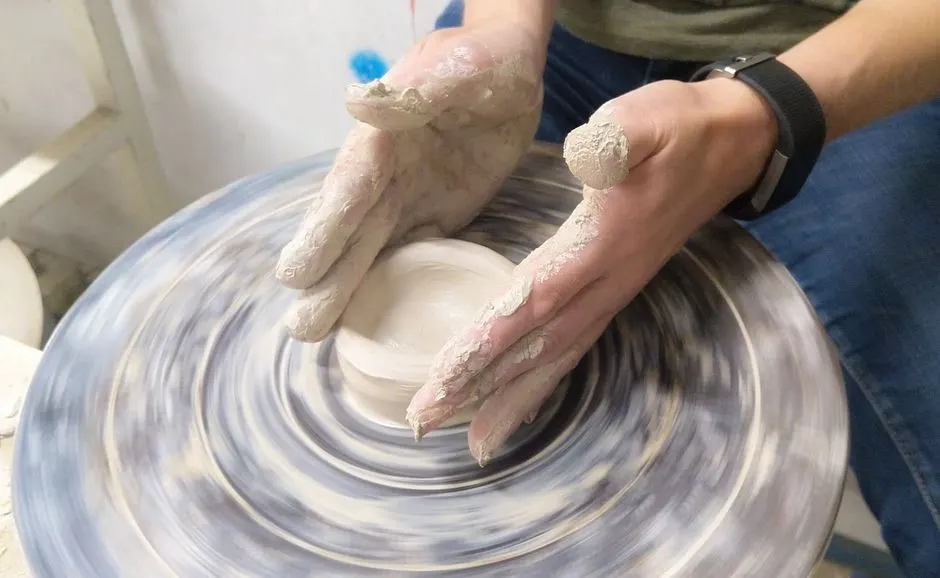
Mold doesn't stop at the drywall you can see. These are the outcomes that matter when you're deciding who to let into your house.
Air You Can Breathe Again
Musty odors come from volatile compounds the colony releases, and they linger long after the visible growth is gone. We run air scrubbers with HEPA filters and treat structural cavities with Benefect and Concrobium so the smell leaves with the mold. Most customers notice the difference within 24 hours of containment coming down.
Moisture Source Fixed First
Removing mold without stopping the water is a callback waiting to happen. We use moisture meters and a thermal imaging camera to trace the source, whether that's a monsoon roof leak, a slab leak, or a failed swamp cooler pan. You get the mold gone and the reason it grew identified in the same visit.
Documented for Insurance
We photograph affected materials, log moisture readings, and write a scope that matches what your adjuster needs to see. Pima County claims move faster when the paperwork shows containment setup, daily readings, and final clearance. You get a file you can hand over, not a verbal promise.
Clearance Before We Leave
We don't call a job done because it looks clean. Post-remediation verification includes visual inspection of the contained area and air sampling when the scope calls for it, so you have documentation that spore counts returned to normal. If it doesn't pass, we re-clean at no additional charge.
Google ★★★★★4.9
They found a slab leak we didn't know we had and handled the mold in the hallway wall without tearing up more than necessary. Containment was tight, the crew was respectful of the house, and clearance passed the first time. Worth every penny.
Yelp ★★★★★4.8
Called after a monsoon leak soaked our attic in Vail. They were out the same day with thermal imaging, showed me the readings, and had containment up before lunch. The photo log they gave us made the insurance claim straightforward.
BBB ★★★★★4.9
As a property manager I've used a few remediation companies. These folks give a written scope before work starts and stick to it. Swamp cooler mold in three units, all documented, no callbacks. That's rare in this business.
Mold Restoration Specialist LLC has been doing mold remediation in Tucson since 2018, which means eight years of monsoon seasons, swamp cooler failures, and slab leaks under our belt. Our technicians hold IICRC certification and follow ACAC standards for containment and clearance. We work under an Arizona Registrar of Contractors license and carry OSHA compliance training for respirator use and confined-space entry. That matters in attics that hit 140 degrees in June and crawlspaces that stay damp for weeks after a storm. We've remediated everything from a single bathroom wall to full commercial build-outs, and we document every one the same way.
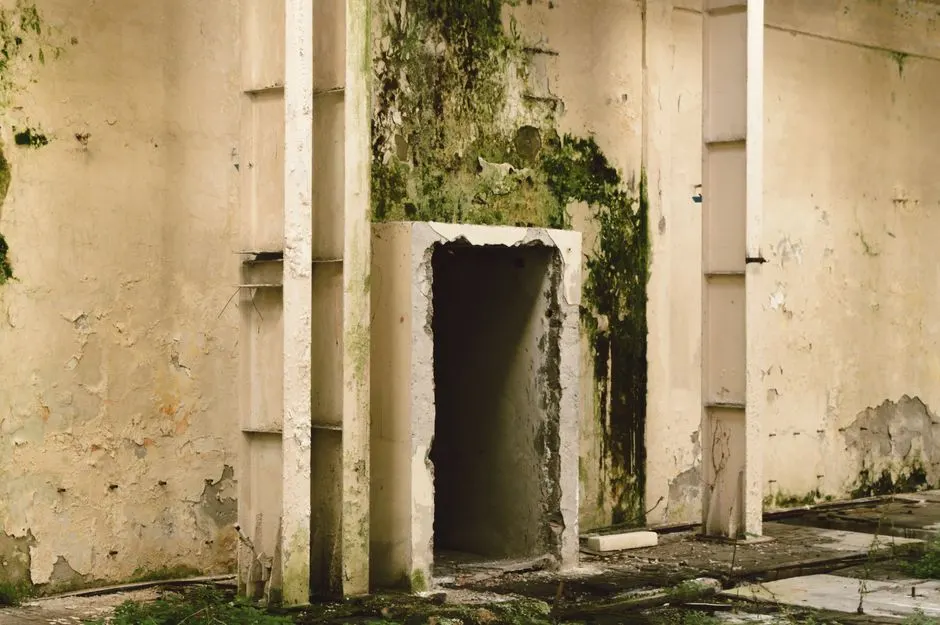
Real experiences from customers who chose our Mold Remediation services.
“We had a slab leak under the hallway floor and didn't know it until the baseboards started swelling. The crew found it with a moisture meter in about twenty minutes and showed me the reading on camera. Containment went up the same day, and they had the drywall out and the framing treated by Thursday. Clearance passed on the first try.”
Marisa G.
Homeowner, Catalina Foothills
“After the July storms, we had a roof leak that soaked the attic decking for weeks before we noticed. They mapped the whole attic with thermal imaging, bagged the affected insulation inside containment, and ran air scrubbers the entire time. The musty smell in the hallway was gone the day they took the plastic down.”
Derek T.
Homeowner, Vail
“I manage twelve rentals and swamp cooler mold is a recurring headache every June. They cleaned the units, treated the ductwork, and documented everything with photos for the owners. What I appreciate is the written scope before work starts, so I know what I'm approving. Three units done, no callbacks.”
Angela R.
Property Manager, Oro Valley
Real answers to the questions we hear most often from local homeowners and property managers.
Before remediation, an inspection confirms what's growing and where. We use moisture meters, thermal imaging, and air sampling to build the scope, and the same testing documents clearance afterward for Tucson homeowners and buyers.
View Mold Inspection & TestingBlack mold growth on drywall and framing needs containment and HEPA removal, not over-the-counter sprays. We treat it as a remediation project with negative air pressure and bagged debris, then verify the area is clean before containment comes down.
View Black Mold RemovalMold follows water within 24 to 48 hours. If a monsoon leak or burst supply line just soaked your walls, we extract, dry, and monitor before growth starts, which is far cheaper than remediation after the fact.
View Water Damage RestorationSwamp cooler mold pushes spores straight into your living space through the ductwork every summer. We clean the unit, pads, and distribution system, then treat the ductwork so the first cool day of the season doesn't come with a musty smell.
View Swamp Cooler Mold CleanupAfter remediation, prevention keeps it from coming back. We identify the conditions that fed the growth, from clogged condensate lines to grading issues, and give you a maintenance plan built for Tucson's dry heat and monsoon swings.
View Mold & Moisture PreventionOffices, rentals, and retail spaces need containment that keeps tenants and customers out of the work zone. We schedule around business hours, document daily, and coordinate with property managers across Pima County.
View Commercial Mold RemediationCall (520) 652-1692 or send a message and we will get back to you the same business day. We answer emergency calls 24/7 for active leaks and visible growth. Regular inspections are scheduled Monday through Friday, 8 a.m. to 6 p.m., and we cover all of Pima County.
Phone
(520) 652-1692Address
Tucson, AZ 85756, Tucson, Arizona
Hours
Mon–Fri: 7AM – 7PM
Sat: 8AM – 4PM
Sun: Emergency Only
24/7 Emergency Available