Moisture Survey and Scope
A full walkthrough with a moisture meter and thermal imaging camera, plus boroscope inspection of suspect cavities. You get the affected square footage and the moisture readings in writing before work begins.
Every job includes the inspection, containment, removal, HEPA cleaning, drying, and a clearance walkthrough. Rebuild and lab sampling are quoted as line items so you can see exactly what you are paying for. Here is what is standard on a Tucson job.
A full walkthrough with a moisture meter and thermal imaging camera, plus boroscope inspection of suspect cavities. You get the affected square footage and the moisture readings in writing before work begins.
Containment plastic sheeting, zip walls, and duct tape seal the work area, and a negative air machine with HEPA filters keeps the space under pressure for the entire removal. Air scrubbers run continuously.
Water-damaged drywall and insulation come out and get bagged for disposal. Framing is HEPA vacuumed, then treated with an antimicrobial solution. A fogger handles the air space before the cavity is closed.
Dehumidifiers and air movers run until framing moisture content hits target, typically 24 to 72 hours. We check readings daily and do not pull equipment early to save a day.
Final moisture readings, before-and-after photos, and lab results if samples were taken. This package is what your insurance adjuster, buyer's inspector, or property manager will ask for.
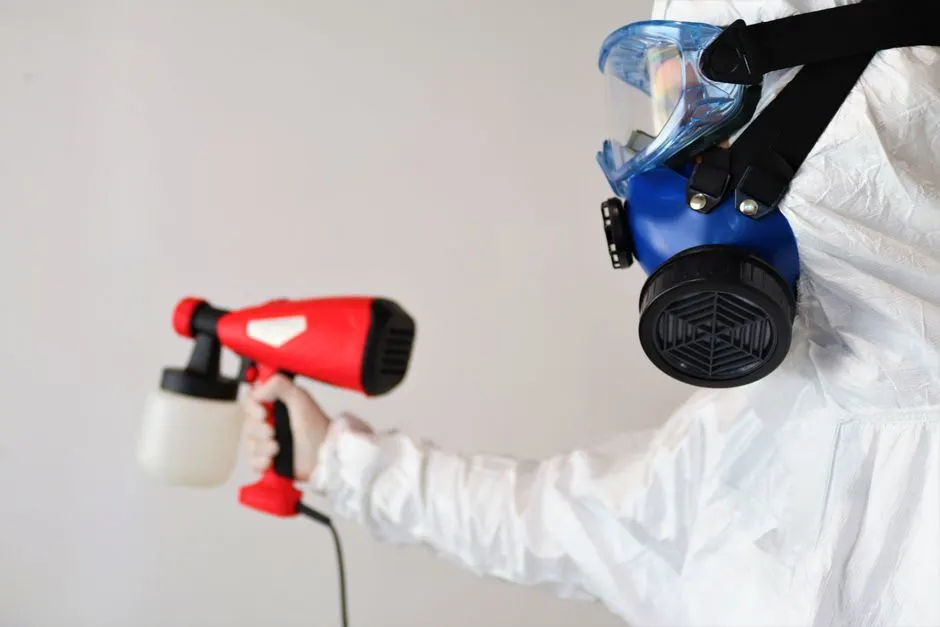
Black mold removal in Tucson is a controlled demolition and drying job, not a cleaning job. Stachybotrys grows on wet cellulose, so the drywall paper, insulation, and framing behind it are the actual problem. We set a containment barrier, run a negative air machine with HEPA filters, and pull the contaminated material out whole so spores do not travel through the house. Every cavity gets checked with a boroscope inspection camera before we call it clean.
Tucson homes fail in predictable ways. Swamp cooler mold shows up in September after a wet cooling season, AC mildew collects in the drain pan and plenum, and monsoon leak mold appears at roof penetrations and window flashing. Slab leak mold hides under flooring for months. If you are searching for black mold removal services in Tucson AZ because of a smell you cannot place, that smell is usually the first clue and the moisture meter is the second.
Five steps, start to finish. Most residential jobs run two to five days depending on how far the moisture traveled. Here is exactly what you see us do.
Schedule
Call or book online — a real human picks up and confirms a 2-hour arrival window.
Diagnose
Licensed tech inspects on-site, then walks you through the cause and your options.
Fix
The job is completed to code and done right the first time — no shortcuts, no surprises.
Guarantee
Every job backed by a written workmanship warranty — and we stand behind it.
Moisture meter and thermal imaging camera
Find hidden moisture behind drywall and under flooring without tearing the house apart. Thermal imaging shows the temperature difference wet materials create.
Boroscope inspection camera
Look inside wall cavities and cooler closets before cutting. It confirms the extent of growth and keeps demolition limited to what is actually contaminated.
Negative air machine and air scrubber
Keep the contained area under negative pressure and filter airborne spores through HEPA filters so they do not migrate into the rest of the house.
Dri-Eaz and Phoenix Restoration Equipment dehumidifiers
Pull moisture out of framing and structural cavities after removal. These are the same commercial-grade units used in water damage restoration.
Fiberlock and Concrobium products
Antimicrobial solutions and surface treatments applied after HEPA vacuuming to stop regrowth on framing and structural surfaces.
HEPA vacuum and fogger
HEPA vacuuming removes settled spores from surfaces, and the fogger treats the air space inside containment before the cavity is closed.
IICRC S520 remediation standard
We follow the IICRC mold remediation standard for containment, removal, and clearance. It is the framework most insurance carriers and industrial hygienists expect to see on a project of any size.
Negative pressure containment
Containment plastic sheeting and zip walls seal the work area, and the negative air machine keeps it under pressure for the entire job. Spores move toward the filter, not toward your bedroom.
HEPA vacuuming plus antimicrobial treatment
Framing and structural surfaces get HEPA vacuumed first, then treated with an antimicrobial solution. Vacuuming before treatment matters because it removes the spore load instead of just wetting it.
Moisture verification before rebuild
We do not hang drywall until framing moisture readings hold at target for a full day. Rebuilding over wet framing is the most common reason mold comes back, and we do not do it.
01
What we do: We run a pre-purchase style inspection with moisture readings and lab sampling, then scope the removal if growth is confirmed. You get a real repair number instead of a guess.
→ Buyers either negotiate the cost into the deal or get a clean bill of health before moving in.
02
What we do: We extract standing water, remove the soaked cabinet base and drywall, dry the framing with dehumidifiers and air movers, and treat the cavity with antimicrobial solution.
→ The kitchen is dry, the mold never establishes, and the rebuild matches the existing cabinets.
03
What we do: We schedule after-hours containment and removal so business hours are not disrupted, and provide the documentation the property manager needs for the file.
→ The space is cleared and back in service within a week, with a paper trail for the owner.
04
What we do: We inspect the pan, pads, and ductwork, remove any contaminated drywall, and treat the closet and system with antimicrobial solution.
→ The smell is gone before the next cooling season, and you get a maintenance plan to keep it that way.
Tucson is a dry climate, which makes the mold calls we get very specific. Almost every job traces back to one of four water sources: a monsoon roof leak, a swamp cooler that stayed wet, an AC condensate line, or a slab leak. We do not see the basement and crawlspace mold that wetter climates deal with, so our inspections focus on cooler closets, attic sheathing, bathroom walls, and the slab edge. Building stock matters too. A lot of Pima County homes were built before 1978, which means EPA Lead-Safe practices apply during demolition, and older homes often have original drywall and insulation that hold moisture longer than modern materials. We pull permits when structural work requires it and follow Arizona Registrar of Contractors requirements on every job. If you need black mold testing and removal Tucson homeowners trust for documentation, we provide lab results and before-and-after photos that satisfy insurance adjusters and real estate inspectors. Monsoon season runs June through September, and that is when emergency black mold removal Tucson AZ calls spike. We keep crews available for same-day containment during storm weeks.
Catalina Foothills
Hillside homes here see roof leak mold at flashing and parapet walls after monsoon storms, and the steeper rooflines make attic inspections a routine part of the job.
Southeast Tucson
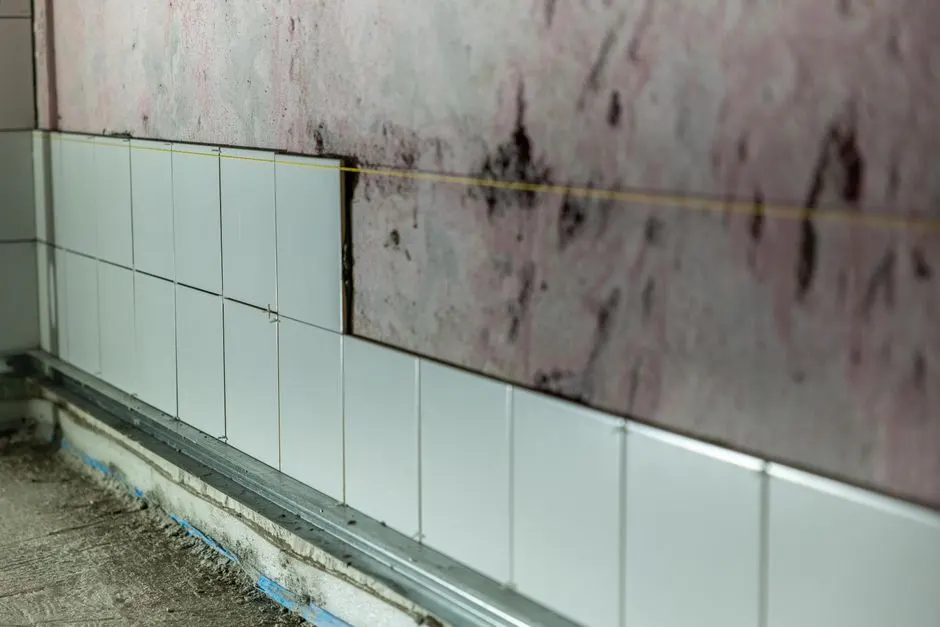
Older housing stock with original bathroom tile and shower pans. Grout failures send water behind the wall, and the mold grows on the back side of drywall where nobody sees it.
Oro Valley
Swamp cooler closets are common in the older subdivisions, and cooler mold is one of our most frequent calls in this area from August through October.
Vail and Corona de Tucson
Newer construction on the southeast edge, where AC condensate leaks and poorly sealed window flashing are the usual culprits behind wall cavity moisture.
Monsoon season, June through September
Driving rain finds every roof and window flashing failure. Emergency calls spike, and we keep same-day containment capacity open during storm weeks.
Swamp cooler season, May through September
Wet pads and pans breed mold that blows into the house. Cooler closet inspections are standard on any job in a home with evaporative cooling.
Pre-1978 housing stock
Lead-safe practices apply during demolition, which adds a step to containment and disposal on older Tucson homes but is not optional.
Slab-on-grade construction
Slab leaks hide under flooring and wick up into walls for months before the smell shows. Moisture meters and thermal imaging are the only reliable way to catch them early.
Most calls start with one of these four problems. Each one has a different fix, and getting the diagnosis right is half the job.
Problem
A persistent smell means active growth somewhere you cannot see, usually inside a wall cavity, cooler closet, or under flooring. It gets worse with every wet season and spreads spores through the HVAC system.
Our Fix
We use a boroscope inspection camera and moisture meter to find the source, then contain and remove the affected material. If the HVAC is involved, we clean the plenum and treat the system so the smell does not recirculate.
Problem
A roof leak that soaked drywall for even a week is enough for Stachybotrys to colonize the paper backing. Painting over the stain traps moisture and hides the problem until the ceiling sags.
Our Fix
We cut out the wet drywall, dry the framing, and treat the cavity. We also tell you what roof repair is needed so the next storm does not undo the work.
Problem
Cooler pads and pans that stay wet breed mold that blows straight into the house through the ductwork. It comes back every year unless the system and the closet are both addressed.
Our Fix
We clean and treat the cooler components and the surrounding closet, remove any contaminated drywall, and set you up on a maintenance schedule so the growth does not return next cooling season.
Problem
Grout and caulk failures let water into the wall behind the shower, and the mold grows on the back side of the drywall where you cannot see it. Surface sprays do nothing to it.
Our Fix
We remove the affected drywall, treat the framing, and dry the cavity. If the shower pan or waterproofing failed, we tell you before rebuild so the same wall does not get wet again.
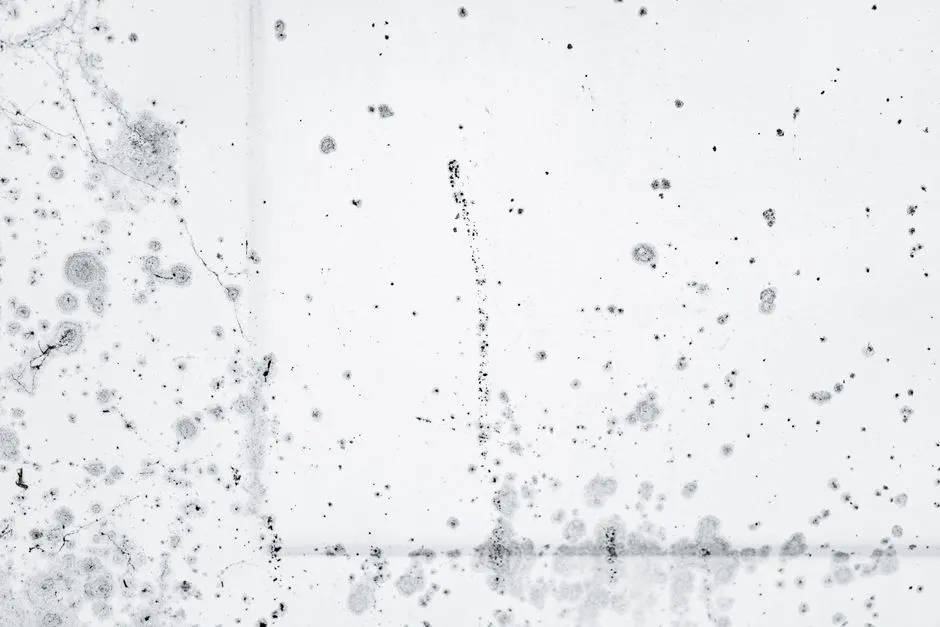
Mold does not stop at the drywall. It follows the water, and in a desert house that water usually comes from one of four places: the roof, the cooler, the plumbing, or the slab. Here is what you get when we run the job.
Verified Clearance, Not Guesswork
We do not hand you a clean-looking wall and a handshake. Post-remediation verification includes moisture readings at the framing and a visual clearance of every contained cavity. If the numbers are not dry, the job is not done, and we keep drying until they are.
Containment That Holds
A negative air machine keeps the contained room under pressure so spores move toward the HEPA filter, not into your living room. We seal doorways and HVAC returns with containment plastic sheeting and duct tape before the first piece of drywall comes down. That is the difference between a cleanup and a cross-contamination event.
We Find the Water Source
Removing black mold without fixing the leak is a repeat job waiting to happen. A moisture meter and thermal imaging camera trace the source, whether it is a roof leak, a slab leak, or a cooler line. We tell you what needs to be fixed and by whom before we close anything up.
8 Years Working Pima County Homes
We have been at this since 2018, and most of our work comes from repeat customers and referrals in Southeast Tucson, Vail, and Tanque Verde. That only happens when the containment is tight, the price is what we quoted, and the smell is actually gone when we leave.
Google ★★★★★4.9
Called about a musty smell in our hallway and they were out the next morning. Found the cooler closet was the source, showed me photos inside the wall, and had it fixed in three days. Price was exactly what they quoted.
Yelp ★★★★★4.8
Monsoon leak ruined our guest room ceiling. They contained the room, cut out the wet drywall, and dried it properly. The clearance walkthrough at the end with actual moisture readings was what sold me on them.
BBB ★★★★★5.0
We manage several rentals in Oro Valley and have used them twice now. Both times they handled the tenant communication, provided lab results for our files, and finished on schedule. No surprise charges.
Mold remediation is unregulated in a lot of states, which means anyone with a spray bottle can call themselves a mold company. We hold IICRC certification and ACAC certification, carry an Arizona Registrar of Contractors license, and follow EPA Lead-Safe practices on pre-1978 homes. Our technicians are trained on Dri-Eaz and Phoenix Restoration Equipment drying systems and Fiberlock and Concrobium products. Since 2018 we have run containment on hundreds of Pima County properties, from single bathrooms in Drexel Heights to commercial buildings downtown.
Real experiences from customers who chose our Black Mold Removal services.
“Our swamp cooler closet had been musty for two summers and we kept ignoring it. They pulled the drywall, showed me the black growth on the back side with photos, and had containment up the same afternoon. Three days later the smell was gone and the wall was rebuilt. The price matched the quote to the dollar.”
Marisa G.
Homeowner, Southeast Tucson
“A monsoon leak soaked the ceiling in our guest room and we did not catch it for weeks. The crew traced it with a moisture meter, cut out the wet drywall, and ran dehumidifiers for two days. What sold me was the clearance walkthrough at the end, with actual readings instead of just telling me it was dry.”
Dale R.
Homeowner, Catalina Foothills
“We had a tenant complaint about a smell in a bathroom and needed it handled fast. Mold Restoration Specialist LLC tested it, confirmed Stachybotrys, and remediated the whole wall behind the shower. They gave us the lab paperwork and photos for our file, which our owner required. Straightforward and no drama.”
Priya N.
Property Manager, Oro Valley
Real answers to the questions we hear most often from local homeowners and property managers.
Full-scope remediation for mold that has spread beyond one cavity, including multi-room containment and drying. If your black mold job turns out to involve a whole wall system or an attic, this is the path we recommend for Tucson homes.
View Mold RemediationLab sampling and a full moisture survey before any removal begins. This is the right first call when you smell something but cannot find it, or when you need documentation for a real estate transaction in Pima County.
View Mold Inspection & TestingExtraction, structural drying, and dehumidification after a leak, monsoon storm, or supply line failure. Getting the structure dry within 48 hours is the single best way to prevent black mold from ever starting in your Tucson home.
View Water Damage RestorationCooler pans, pads, and ductwork are a mold factory when they sit wet through the cooling season. We clean and treat the system and the surrounding closet so the smell does not come back when you fire it up next summer.
View Swamp Cooler Mold CleanupTargeted fixes that keep moisture out: bathroom exhaust correction, cooler maintenance schedules, and roof leak repair coordination. For Tucson's dry climate, prevention is mostly about controlling the few water sources that actually exist.
View Mold & Moisture PreventionContainment and remediation for offices, rentals, and retail spaces with minimal disruption to operations. We schedule after-hours work when needed and provide the documentation property managers need for their files.
View Commercial Mold RemediationCall (520) 652-1692 or send a message and we will get back to you the same business day. We answer emergency calls 24/7 for active leaks and visible growth. Regular inspections are scheduled Monday through Friday, 8 a.m. to 6 p.m., and we cover all of Pima County.
Phone
(520) 652-1692Address
Tucson, AZ 85756, Tucson, Arizona
Hours
Mon–Fri: 7AM – 7PM
Sat: 8AM – 4PM
Sun: Emergency Only
24/7 Emergency Available