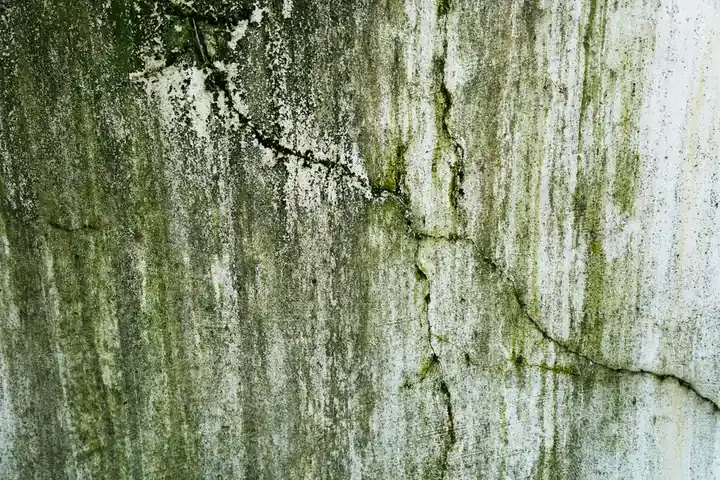
Preventing mold in Catalina Foothills homes during monsoon season comes down to three things: keeping monsoon rain out of the building envelope, drying any intrusion within 24 to 48 hours, and keeping indoor humidity under 60 percent through the July-September storms. Mold spores are always present in desert air; they only become a problem when moisture gives them a place to grow. This guide breaks down why the Foothills gets hit harder than most of Tucson, the specific prevention steps that work here, what professional prevention costs in 2026, and the mistakes we see homeowners make every August.
Why mold is common in Catalina Foothills during monsoon
Catalina Foothills sits at 2,500 to 3,200 feet on the south face of the Santa Catalina Mountains, and that elevation changes how monsoon rain hits your house. Storms push up the slope, stall over the foothills, and drop an inch of rain in under an hour - a pattern that overwhelms gutters, window wells, and roof flashing built for gentler rain. The result is water where it shouldn't be, and mold follows water.
Three local factors make Foothills homes especially vulnerable:
- Sloped lots and caliche soil. Caliche is nearly impermeable. Water that sheets down a hillside lot hits a hardpan layer and pushes sideways into foundations, stem walls, and crawl spaces instead of draining away.
- Stucco and masonry construction. Most Foothills homes are stucco over frame or block. Stucco sheds rain well until a hairline crack opens at a window corner or roof transition - then it wicks water inward and holds it against the sheathing.
- Seasonal occupancy. Many Foothills homes sit empty from May through October while owners are away. A monsoon leak that would be caught in a day goes unnoticed for weeks, and that is exactly the window mold needs.
We see the same pattern every July: a homeowner returns in the fall to a musty guest room, pulls back the baseboard, and finds black staining on the drywall. The leak started in the first big storm of the season. By the time it's discovered, the colony is 6 to 8 weeks old. If you're already there, our team handles Mold Remediation in Catalina Foothills and can assess the damage before it spreads further.
How do I prevent mold in my Catalina Foothills home during monsoon season?
You prevent monsoon mold by controlling water at the source and drying fast when water gets in. That means walking your property before the first storm, sealing the entry points stucco homes are prone to, and running dehumidification the moment you notice dampness. Here is the pre-monsoon checklist we walk Foothills homeowners through each June:
- Clear the roof-to-ground path. Clean gutters, downspouts, and scuppers. Extend downspouts at least 6 feet from the foundation so water doesn't dump against the stem wall.
- Check the grade. Soil should slope away from the house at roughly 6 inches over the first 10 feet. On sloped lots, add a swale or French drain uphill of the structure to redirect sheet flow.
- Seal stucco cracks and penetrations. Inspect window corners, hose bibs, electrical boxes, and roof-to-wall transitions. Any crack wider than a credit card gets sealed with elastomeric caulk before the first storm.
- Service the swamp cooler. If you run an evaporative cooler, have it cleaned and the pads replaced before monsoon. A dirty cooler pan is a mold nursery - see our Swamp Cooler Mold Cleanup Tucson AZ service for what's involved.
- Set the indoor humidity target. Keep interior humidity between 30 and 50 percent. A $15 hygrometer from any hardware store tells you where you stand.
- Stage a drying kit. A wet/dry shop vac, two box fans, and a dehumidifier in the garage mean you can start drying a leak within minutes instead of waiting for a service call.
If you'd rather have a professional walk the property and set up a moisture plan, we offer Mold Prevention Tucson AZ that covers exactly these zones.
Moisture control Catalina Foothills: the four zones that matter
Moisture control in Catalina Foothills homes comes down to four zones, and monsoon mold almost always starts in one of them. Walk these areas after every significant storm and you'll catch problems while they're still cheap to fix.
Zone 1: Roof and attic
Monsoon wind drives rain sideways under shingles and flashing. Look for water stains on attic sheathing and rafters, and check that attic vents are screened - wind-blown rain through an unscreened vent soaks insulation, which then holds moisture for weeks. Attic humidity above 60 percent after a storm is a red flag.
Zone 2: Window and door openings
Window corners are the single most common mold entry point in Foothills stucco homes. Water gets behind the stucco at the corner bead, sits against the framing, and shows up as a musty smell long before visible staining. Press a paper towel against the interior drywall under each window after a storm - any dampness means the flashing or sealant has failed.
Zone 3: HVAC and swamp cooler
Your air handler and ductwork move hundreds of cubic feet of air per minute. If the condensate drain clogs or the cooler pan stays wet, that air carries spores through every room. Change filters monthly during monsoon and check the condensate pan weekly.
Zone 4: Foundation, crawl space, and garage
Caliche pushes water sideways into stem walls and crawl spaces. A crawl space that stays above 60 percent relative humidity is a mold factory. Vapor barriers and small dehumidifiers solve most of it - and if you've had a monsoon flood in the garage or laundry room, our Water Damage Restoration Tucson AZ team dries the structure before mold has a chance to colonize.
What is the best mold prevention for Catalina Foothills homes?
The best mold prevention for Catalina Foothills homes is a layered approach: keep water out, dry fast when it gets in, and keep indoor humidity low year-round. No single product replaces that combination. Here's how the layers stack up, from cheapest to most involved:
- Behavior and monitoring (under $100). A hygrometer, a monthly filter change, and a post-storm walkthrough catch most problems before they start.
- Sealing and drainage ($300-$1,500). Caulking stucco cracks, extending downspouts, and adding a swale or French drain on sloped lots.
- Mechanical humidity control ($200-$800 installed). A whole-home or crawl-space dehumidifier keeps interior humidity under 50 percent through the wettest weeks of monsoon.
- Professional prevention plan ($400-$1,200). A mold inspection and prevention assessment that maps moisture zones, tests suspect areas, and sets up a maintenance schedule.
For homeowners who want a documented baseline before the season starts, a Mold Inspection Tucson AZ gives you air and surface samples plus a moisture map of the property. That's the difference between guessing and knowing.
How much does mold prevention cost in Catalina Foothills AZ?
Typical 2026 pricing for mold prevention in Catalina Foothills runs $400 to $1,200 for a professional prevention and moisture-control plan, while DIY prevention supplies and small fixes cost $100 to $500. Full remediation, if mold has already taken hold, runs $1,500 to $6,000 depending on square footage and how far the colony has spread. Here's the breakdown we give homeowners when they call:
- Mold inspection and moisture assessment: $250-$600, including lab samples.
- Stucco crack sealing and drainage corrections: $300-$1,500.
- Crawl space vapor barrier: $1,200-$3,000 installed.
- Dehumidifier installation: $200-$800.
- Full mold remediation (if prevention failed): $1,500-$6,000 for most Foothills homes.
Prevention is almost always cheaper than remediation. A $600 prevention plan in June routinely saves a $4,000 remediation bill in October. If you're buying a Foothills home during monsoon season, a Pre Purchase Mold Inspection Tucson AZ is worth every dollar - monsoon is exactly when hidden moisture problems show themselves.
Common mistakes that let monsoon mold take hold
The most common monsoon mold mistake is waiting for visible growth before acting - by the time you see it, the colony is usually 3 to 6 weeks old and has already released spores into the air. Here are the others we see repeatedly in Foothills homes:
- Running the swamp cooler with a dirty pan. Evaporative coolers add moisture to the air by design. A pan with standing water and old pads is the fastest route to airborne mold in the house.
- Closing up the house during storms. Sealing a damp house traps humidity inside. Run the AC fan or a dehumidifier, and open windows once the storm passes and outdoor humidity drops.
- Painting over water stains. Paint traps moisture against drywall and hides the problem. Fix the leak first, dry the cavity, then paint.
- Ignoring the musty smell. A musty smell is mold off-gassing. It's a signal, not a nuisance. If you smell it after a storm, find the moisture source.
- Assuming the desert is too dry for mold. Tucson's average July humidity runs 40 to 60 percent, and monsoon storms push it higher. Mold grows at 60 percent relative humidity on most building materials.
One more: skipping the post-storm walkthrough because the rain "didn't look that bad." The storms that cause the most damage in the Foothills are the short, intense ones that overwhelm drainage in 20 minutes.
When to call a professional
Call a professional when you can smell mold but can't see it, when visible growth covers more than about 10 square feet, or when water has been sitting in a wall cavity for more than 48 hours. Those three situations are beyond what a box fan and a bottle of vinegar will fix. Our team at Mold Restoration Specialist LLC handles the assessment, the moisture map, and the remediation plan in one visit, and we tell you plainly whether you need remediation or just a prevention plan. If you're in a neighboring community, we also cover Mold Remediation in Oro Valley and the rest of the metro.
We also get called after monsoon floods when the homeowner has already dried the visible water but the wall cavity is still wet. A moisture meter finds that in minutes. If you're not sure whether you have a problem, that's the cheapest call you can make.
Frequently Asked Questions
How do I prevent mold in my Catalina Foothills home during monsoon season?
Keep rain out, dry intrusions within 24-48 hours, and hold indoor humidity between 30 and 50 percent. Seal stucco cracks, extend downspouts 6 feet from the foundation, service the swamp cooler before July, and run a dehumidifier during storm weeks. A post-storm walkthrough catches most problems early.
Why is mold common in Catalina Foothills during monsoon?
Elevation and sloped lots concentrate monsoon rain, caliche soil pushes water into foundations instead of draining it, and stucco construction wicks moisture behind the walls. Many homes are also vacant during summer, so leaks go unnoticed for weeks - long enough for mold to colonize.
What is the best mold prevention for Catalina Foothills homes?
A layered plan: drainage and stucco sealing to keep water out, a dehumidifier to control indoor humidity, and a professional moisture assessment to map risk zones. No single product works alone. Expect $400-$1,200 for a professional prevention plan in 2026.
How much does mold prevention cost in Catalina Foothills AZ?
Professional prevention runs $400-$1,200 in 2026, including inspection and a moisture-control plan. DIY supplies and small fixes cost $100-$500. Full remediation, if prevention fails, runs $1,500-$6,000 depending on square footage and spread.
Can I just paint over mold on drywall?
No. Paint traps moisture and hides the problem while the colony keeps growing behind it. Fix the water source, dry the cavity, treat or remove the affected drywall, then prime and paint. Painting over mold is one of the most common mistakes we see.
Get help with Mold Remediation in Tucson
If monsoon season has already left its mark on your Foothills home, we can assess it, dry it, and remediate it before the problem spreads. Call Mold Restoration Specialist LLC at (520) 652-1692 and we'll schedule a moisture assessment at your property.