You need a mold inspection if you suspect mold but don't know where it is or how bad it is. You need mold testing if you've already found mold and need to know what species it is, whether it's airborne, or whether a remediation job actually worked. In Tucson, most homeowners calling us for the first time need an inspection, not a lab test.
That distinction matters because the two services answer different questions and carry different price tags. Below we break down what each one covers, when to choose which, what 2026 pricing looks like in the Old Pueblo, and the mistakes we see people make when they skip one or the other.
The core difference: inspection finds it, testing identifies it
Mold inspection vs mold testing is the difference between a detective and a lab technician. An inspection is a visual and instrumental walkthrough of your home to locate moisture sources, visible growth, and conditions that allow mold to thrive. Testing is a laboratory analysis of physical samples - air, surface, or bulk - to identify what's present and at what concentration.
One does not replace the other. A thorough inspection tells you where the problem is and how it started. Testing tells you what the problem is made of. Most remediation projects need the inspection first and testing only when the scope or the species is in question.
If you've already spotted black growth on drywall or around a window frame, that's a different conversation - our Black Mold Removal Tucson AZ team handles those calls daily and can usually tell you within 20 minutes of walking the space whether a lab test is even worth the money.
What a mold inspection actually covers
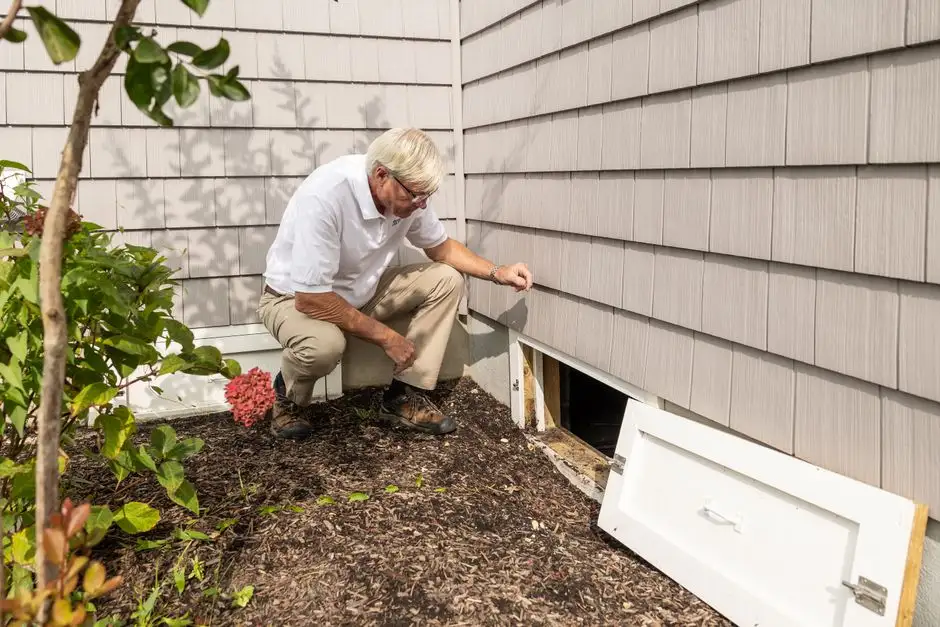
A professional mold inspection in Tucson covers moisture detection, visual assessment, and a written scope of findings - not a lab report. Here's what our technicians actually do during a standard 60- to 90-minute inspection:
- Moisture mapping with pin and pinless meters on walls, ceilings, and subfloor. We read percent moisture content and compare against dry baseline readings for the same material.
- Thermal imaging to spot temperature anomalies behind drywall, under tile, and around supply lines - the kind of hidden moisture that never shows a stain.
- HVAC and attic review, including the evaporative cooler pan and ductwork, which is where a large share of Tucson mold starts.
- Photo documentation of every suspect area, with moisture readings written next to each photo.
- A written scope that tells you what's affected, what caused it, and what remediation will involve.
An inspection does not tell you the genus of the mold. It tells you whether you have a mold problem, where it lives, and what needs to happen next. For most homeowners in Tucson, that's the answer they actually need.
We run these inspections across the metro, including older block homes in South Tucson Mold Remediation AZ where 1940s-1960s construction and swamp cooler use combine to create chronic moisture issues that a visual walkthrough alone will miss.
What mold testing tells you that inspection cannot
Mold testing tells you the species and concentration of mold present, which is information an inspection cannot produce. A lab analysis of air or surface samples can confirm whether the growth is Stachybotrys (black mold), Aspergillus, Cladosporium, or something less concerning - and whether airborne spore counts indoors are elevated compared to an outdoor control sample.
Testing is useful in four specific situations:
- You need documentation. Real estate transactions, insurance claims, and landlord-tenant disputes often require a lab report, not a technician's opinion.
- You have symptoms but no visible growth. If occupants are experiencing respiratory issues and you can't find the source, air sampling can confirm whether mold is the culprit.
- You need clearance after remediation. Post-remediation verification (PRV) testing confirms the job worked before walls go back up.
- You're buying a home. A Pre Purchase Mold Inspection Tucson AZ combined with targeted testing gives a buyer defensible information before closing.
What testing does not do is find the source. A lab report that says "elevated Aspergillus/Penicillium spores" tells you there's a problem - it doesn't tell you the problem is behind the shower valve in the hall bathroom. You still need the inspection to locate it.
When to get mold inspection vs mold testing in Tucson Arizona
When to get mold inspection vs mold testing in Tucson Arizona comes down to one question: do you know where the mold is? If no, start with inspection. If yes, and you need to know what it is or prove it's gone, add testing.
Get an inspection first if:
- You smell a musty odor but can't see growth
- You've had a roof leak, plumbing leak, or AC condensate overflow in the last 12 months
- You're buying or selling a home and want a baseline
- You see staining on ceilings, walls, or around the swamp cooler
- You've had water damage that was "dried out" but never verified
Add testing if:
- You need a lab report for insurance, legal, or real estate purposes
- You want to confirm species before remediation begins
- You need clearance testing after remediation
- Occupants have health concerns and visible growth isn't present
In our experience, roughly 7 out of 10 first-time callers in Tucson need an inspection only. The other 3 need inspection plus targeted testing - usually because a real estate deadline or an insurance adjuster is involved.
We also see a seasonal pattern: calls spike in October and November when homeowners turn off the swamp cooler for the season and discover mold in the pan, on the pads, or in the ductwork. If that's your situation, our Swamp Cooler Mold Cleanup Tucson AZ service starts with an inspection of the unit and the duct run before we recommend any testing.
How much does mold inspection and testing cost in Tucson Arizona?
How much mold inspection and testing cost in Tucson Arizona depends on square footage, how many samples are pulled, and whether thermal imaging is included. Typical 2026 pricing in the Tucson metro runs like this:
- Visual mold inspection: $250-$450 for a standard single-family home up to 2,500 sq ft, including moisture readings and a written report.
- Inspection with thermal imaging: $350-$600, depending on how many rooms and how complex the layout.
- Air sampling: $75-$150 per sample, and most assessments require 2-4 samples (indoor affected area, indoor control, outdoor control).
- Surface or bulk sampling: $50-$100 per sample.
- Post-remediation clearance testing: $300-$600 for a typical project, including lab fees and a written clearance report.
Combined inspection-plus-testing packages in Tucson generally land between $450 and $900 for a residential job. Commercial properties and homes over 3,500 sq ft run higher.
One thing we tell every caller: don't pay for testing before you know where the mold is. A $400 air sample set without an inspection is money spent on a number with no context. The inspection is what makes the test meaningful.
If the inspection turns up an active water source - a slab leak, a failed supply line, a roof flashing issue - that has to be fixed before any remediation starts. Our Water Damage Restoration Tucson AZ team handles the drying and structural repair side so the mold doesn't come right back.
Can mold testing find hidden mold in Tucson homes?
Can mold testing find hidden mold in Tucson homes? Not on its own - testing can suggest hidden mold is present, but only an inspection with moisture meters and thermal imaging can locate it. This is the single most common misunderstanding we correct.
Here's how it actually works. If mold is growing behind drywall in a bathroom wall cavity, air sampling in the adjacent room may pick up elevated spore counts. That tells you something is going on. It does not tell you which wall, which cavity, or how far the growth has spread. A technician with a moisture meter and a thermal camera finds that in 15 minutes.
Hidden mold in Tucson homes typically hides in predictable places:
- Behind the shower surround where the waterproofing has failed
- Under the evaporative cooler pan and in the first 10 feet of ductwork
- Inside the AC air handler closet, especially where the condensate line runs
- Behind baseboards on exterior walls after monsoon-driven stucco cracks
- Under kitchen and bathroom sinks where a slow drip has run for months
If you're in an older neighborhood - say a 1950s ranch in Mold Remediation in Southeast Tucson - the odds of hidden moisture in at least one of those spots go up sharply. Block construction, original plumbing, and decades of monsoon cycles add up.
Common mistakes we see Tucson homeowners make
The most common mistake Tucson homeowners make is ordering mold testing before an inspection - paying for lab work on a problem nobody has located yet. Here are the others we see regularly:
- Testing the air in a room with visible growth. If you can see it, you don't need a lab to tell you it's there. You need a scope of work.
- Skipping clearance testing after DIY remediation. Bleach and paint over drywall doesn't remove mold from the cavity. Without clearance testing, you have no proof the job worked.
- Using a home inspector's mold add-on as a substitute for a real inspection. A general home inspector is not a mold assessor. The tools and the training are different.
- Ignoring the moisture source. Remediation without fixing the leak is a repeat customer call six months later.
- Trusting a $49 "free mold inspection" that's really a sales pitch. A legitimate inspection includes moisture readings, photos, and a written scope. Ask what the report includes before you book.
We also see homeowners in Mold Remediation in Catalina Foothills assume that because the climate is dry, mold isn't a concern. It is - the Foothills see more roof and stucco leaks than most of the valley, and the homes are large enough that a small leak can run for months before anyone notices.
When to call a professional
Call a professional when the affected area is larger than about 10 square feet, when you smell mold but can't find it, when the mold is in HVAC ductwork, or when anyone in the home has respiratory symptoms. Those are the situations where DIY cleaning is either ineffective or risky.
Our team at Mold Restoration Specialist LLC handles both sides of this - the inspection that finds the problem and the remediation that fixes it. We don't sell testing you don't need, and we don't skip it when the job calls for it. If you're not sure which service fits, describe what you're seeing and we'll tell you straight.
For homeowners who want to prevent the next problem rather than react to this one, we also install Mold Prevention Tucson AZ measures - vapor barriers, dehumidification, and ventilation corrections - that keep Tucson's monsoon humidity from turning into a repeat call.
Frequently Asked Questions
What is the difference between mold inspection and mold testing in Tucson AZ?
An inspection locates mold and moisture through visual assessment, moisture meters, and thermal imaging. Testing analyzes air or surface samples in a lab to identify species and concentration. Inspection answers "where and how bad"; testing answers "what kind and how much." Most Tucson homes need the inspection first.
Do I need mold inspection or mold testing in Tucson?
Start with an inspection if you smell mold, see staining, or have had recent water damage. Add testing if you need a lab report for insurance, real estate, or legal purposes, or if you need clearance after remediation. About 70% of first-time callers need inspection only.
How much does mold inspection and testing cost in Tucson Arizona?
In 2026, a standard inspection runs $250-$450, air sampling is $75-$150 per sample, and combined packages typically land between $450 and $900 for a single-family home. Clearance testing after remediation runs $300-$600.
Can mold testing find hidden mold in Tucson homes?
Testing can suggest hidden mold is present by showing elevated spore counts, but it cannot locate it. Only an inspection with moisture meters and thermal imaging can pinpoint hidden growth behind walls, under cooler pans, or in ductwork. Testing without inspection is incomplete.
How long does a mold inspection take?
A standard residential inspection in Tucson takes 60 to 90 minutes for homes up to 2,500 square feet. Larger homes, commercial properties, and inspections that include attic and crawlspace access can run 2 to 3 hours. The written report usually follows within 24 hours.
Get help with Mold Remediation in Tucson
If you're still not sure whether you need an inspection or testing, call us and describe what you're seeing. We'll tell you which service fits and what it will cost before we book anything.
Call Mold Restoration Specialist LLC at (520) 652-1692 for mold inspection, testing, and remediation across Tucson and the surrounding communities.