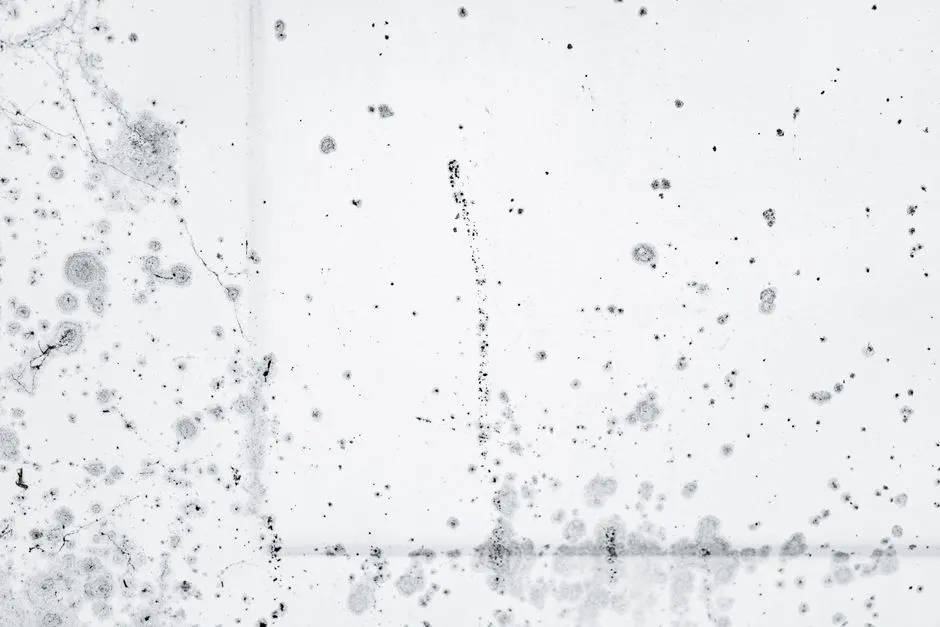
To test for mold after a monsoon leak in Tucson, start by checking for visible growth and musty odors, then use a moisture meter to confirm damp materials. If you suspect hidden mold, a DIY mold test kit or a professional mold inspection with lab analysis will tell you what you are dealing with. This guide walks you through each step, from the first 24 hours after a leak to the moment you decide whether to call in a pro.
Why Monsoon Leaks Turn Into Mold So Fast in Tucson
Tucson's monsoon season dumps more rain in a few weeks than the city sees all year, and that water often finds its way into wall cavities, attics, and under floors. Mold spores are already present in every home; they just need moisture to colonize. In our climate, the combination of 90°F-plus temperatures and sudden humidity creates a near-perfect incubator. A slow roof leak or a window that weeps during a storm can wet drywall and insulation without you noticing until mold has already taken hold.
We see this constantly in older Tucson neighborhoods where flat roofs, evaporative coolers, and original single-pane windows are common. The water does not have to flood a room to cause a problem. A quarter-inch gap around a swamp cooler penetration can let in enough water to soak the surrounding framing. If you want to understand how we handle these situations, our Mold Remediation Tucson AZ team deals with monsoon-related mold calls every summer and fall.
How Do I Test for Mold After a Monsoon Leak in Tucson?
Testing for mold after a monsoon leak in Tucson means confirming three things: whether mold is present, where it is growing, and how far the moisture has spread. You can start with a visual inspection and a moisture meter, then move to a test kit or a professional inspection if needed. Here is the step-by-step process we recommend to homeowners.
Step 1: Do a Visual and Olfactory Inspection
Grab a flashlight and check the areas where the leak occurred. Look for discoloration on drywall, ceiling tiles, baseboards, and window frames. Mold often appears as black, green, or white speckles, but it can also look like a fuzzy patch or a stain that keeps coming back. Trust your nose, too: a persistent musty, earthy smell is a strong indicator of hidden mold, even if you cannot see it.
Step 2: Use a Moisture Meter
A pin-type or pinless moisture meter costs $30-$80 at most hardware stores and tells you whether materials are still wet. Normal indoor wood moisture is around 8-12%; anything above 15% is a red flag. Check the drywall around the leak, the studs behind it, and any insulation that got wet. If the meter reads high in a spot with no visible damage, mold is likely growing behind the surface.
Step 3: Choose a Test Method
If you want to confirm mold presence, you have two main options: a DIY mold test kit or a professional mold inspection. DIY kits typically include a petri dish or swab that you expose to the air or a surface, then mail to a lab for analysis. Professional inspections use moisture mapping, thermal imaging, and air sampling to give you a complete picture. We will compare these in the next section.
DIY Mold Test Kits vs Professional Mold Testing
DIY mold test kits are a reasonable first step if you suspect a small, visible problem and want a quick answer. They cost $10-$50 and usually include lab fees. You place the dish in the room for 48-72 hours, then send it in. The lab report tells you whether mold spores are present and, in some cases, what type. The limitation is that a DIY kit cannot tell you where the mold is coming from, how far it has spread, or whether the air quality in other rooms is affected.
Professional mold testing after a monsoon leak in Tucson gives you a much more actionable result. A trained inspector uses a moisture meter, thermal camera, and air sampling pumps to map the extent of the problem. They collect air samples from inside and outside the home, plus surface samples from suspect areas, and send them to an accredited lab. The report includes spore counts and species identification, which helps determine whether you have a common mold or something more concerning like Stachybotrys (black mold). For a deeper look at what this involves, see our Mold Inspection Tucson AZ page.
In our experience, DIY kits are fine for a quick check, but they often miss hidden mold behind walls or under floors. If the leak was significant or you smell mold but cannot see it, professional testing is worth the $300-$600 investment.
How Long After a Monsoon Leak Does Mold Grow in Tucson AZ?
Mold can start growing within 24 to 48 hours after a monsoon leak in Tucson, especially when temperatures are above 80°F and humidity is high. In our dry climate, the clock slows down a bit if the wet materials dry quickly, but any area that stays damp for more than two days is at risk. Porous materials like drywall, carpet, and insulation are the most vulnerable. We have seen mold colonize a wet ceiling tile in as little as 36 hours during a humid monsoon week.
If the leak happened more than 48 hours ago and the area was not dried properly, assume mold is present until testing proves otherwise. That is why we tell homeowners to act fast: the sooner you dry the area and test, the cheaper the fix.
Signs of Mold After a Monsoon Leak You Should Not Ignore
Not every mold problem announces itself with a black stain. Here are the signs we see most often after monsoon leaks in Tucson:
- Musty odor that lingers even after you air out the room.
- Water stains on ceilings, walls, or floors that keep reappearing.
- Peeling paint or bubbling drywall near the leak area.
- Visible fuzzy growth in corners, around window frames, or behind furniture.
- Allergy-like symptoms (sneezing, coughing, itchy eyes) that worsen when you are in a specific room.
If you notice any of these, test for mold before you start cleaning. Disturbing mold without proper containment can spread spores to other parts of your home. Our mold removal Tucson AZ team can assess the situation and recommend the right next step.
Common Mistakes Homeowners Make When Testing for Mold
The biggest mistake we see is testing before drying. If the area is still wet, a mold test will likely come back positive, but it will not tell you whether the mold is active or just a leftover spore count. Dry the area first, then test. Another common error is using a DIY kit in a room that has visible mold but not testing the air in adjacent rooms. Mold spores travel, so a problem behind a wall can affect the whole house.
Homeowners also sometimes test only the surface they can see, ignoring the wall cavity or the attic. A moisture meter is your best friend here. Finally, do not rely on a single air sample. Professional testing uses multiple samples to build a reliable picture. If you are in Catalina Foothills Mold Remediation AZ, we often find that the leak originated in the roof or around a skylight, and the mold has spread into the ceiling cavity.
When to Call a Professional for Mold Testing
Call a professional if the leak was large, if you smell mold but cannot find it, if the mold covers more than 10 square feet, or if anyone in your home has respiratory issues. We also recommend professional testing before you buy a home that has had a monsoon leak, or if you are a landlord who needs documentation. Our team at Mold Restoration Specialist LLC handles mold testing and remediation across Tucson, and we can usually schedule an inspection within 24-48 hours of your call.
We also offer Water Damage Restoration Tucson AZ services to dry the structure before mold takes hold. If you are in Oro Valley Mold Remediation AZ, we can be there quickly to assess the damage.
Frequently Asked Questions
How do I test for mold after a monsoon leak in Tucson?
Start with a visual inspection and a moisture meter, then use a DIY mold test kit or call a professional for air and surface sampling. Professional testing gives you lab results and a remediation plan.
How long after a monsoon leak does mold grow in Tucson AZ?
Mold can grow in 24-48 hours if materials stay wet. In Tucson's warm, humid monsoon conditions, porous materials like drywall and carpet are especially vulnerable.
Should I get professional mold testing after monsoon leak Tucson?
Yes, if the leak was significant, you smell mold, or the affected area is larger than 10 square feet. Professional testing identifies hidden mold and guides safe remediation.
Can I test for mold myself after monsoon leak Tucson?
You can use a DIY mold test kit ($10-$50) for a quick check, but it won't tell you the extent of the problem. For a thorough assessment, hire a professional.
Get Help With Mold Remediation in Tucson
If you have tested for mold and found a problem, or if you are not sure where to start, call Mold Restoration Specialist LLC at (520) 652-1692. We will inspect, test, and give you a clear plan to get your home back to dry and mold-free.